
Why Does Stress Make Learning So Hard?
Sep 20, 2026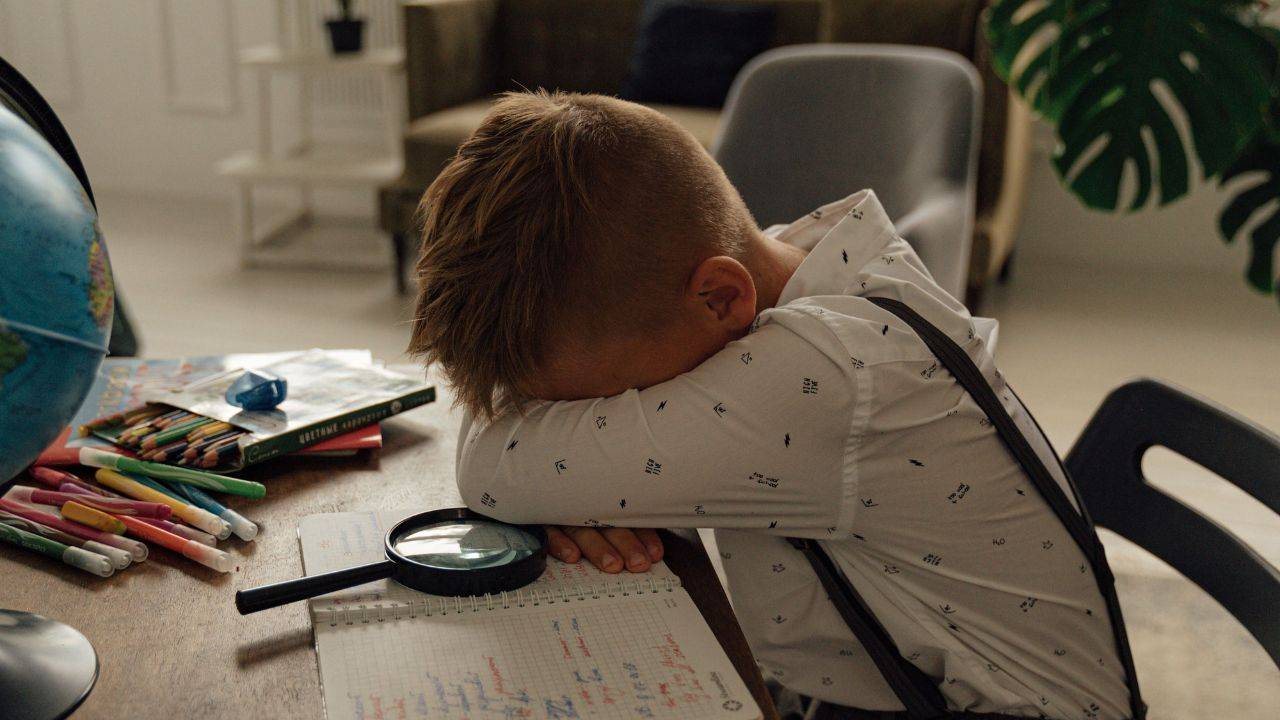
"I know this."
I remember staring at a page of math facts in elementary school.
The timer started.
And suddenly...
everything disappeared.
Problems I could solve just moments before now felt impossible.
The clock kept ticking.
The faster I tried to think, the harder it became.
When time was up, I looked at the paper and reached the same conclusion I had reached many times before.
"I'm stupid."
The strange thing was...
I wasn't. I just didn't know that yet.
Years later, I discovered the same thing happening as an adult.
When I applied for jobs, I was often asked to complete timed assessments.
Many included logic questions. I loved logic. I could solve them.
Until the timer started.
The same feeling returned.
The same pressure.
The same thoughts.
"I'm going to fail."
"Everyone else is faster than I am."
"I'm just not smart enough."
Looking back, I can see something I couldn't see then.
The problem wasn't my ability.
It was my stress.
Stress Changes More Than Our Feelings
When we're stressed, our brains don't work the same way.
Have you ever walked into a room and forgotten why?
Blanked on someone's name even though you've known them for years?
Forgotten an answer you absolutely knew?
Stress has a way of interrupting access to information that's already there. It's a fact that our brains do not respond in the same way when we’re stressed.
That doesn't mean the knowledge disappeared.
It means your brain shifted its attention from learning to protection.
It's difficult to think clearly when part of you is busy trying to stay safe.
We Often Mislabel the Problem
As children, we don't usually think,
"I'm stressed."
We think,
"I'm bad at math."
Or,
"I'm not smart."
Or,
"Everyone else understands except me."
Those beliefs have a way of staying with us long after the worksheet is gone, long after school ends. Even long after we've become adults.
Sometimes we're still carrying conclusions we reached when we were eight years old.
What Changed for Me
Years later, after studying active listening and spending thousands of hours listening to people, I began noticing something.
People think better when they feel understood.
That isn't just true in relationships.
It's true in learning too.
When people feel emotionally safe, something shifts physiologically. Their breathing slows. Their shoulders relax. Most importantly, their minds begin working again.
Not because someone gave them the answer.
Because the pressure eased enough for them to access what they already knew.
We Learn Best When We Feel Safe
I think many parents have watched this happen.
A child sits down to do homework.
At first they're trying.
Then frustration grows.
Tears come.
The harder everyone pushes, the harder learning becomes.
It's easy to assume the child isn't trying.
Or doesn't understand.
Sometimes that's true.
Often it isn't.
Sometimes the child's brain has simply become overwhelmed.
The learning hasn't disappeared.
Access to it has.
Being Heard Lowers More Than Defensiveness
One of the reasons active listening is so powerful is that it communicates something before any solution is offered.
It says,
"I'm here."
"I'm listening."
"Your experience matters."
When someone feels understood, their nervous system begins to settle.
That settling creates space.
Space to think.
Space to remember.
Space to solve problems.
It's one of the reasons I believe listening is such an important part of learning.
Parents and Educators Don't Have to Have All the Answers
I think many adults feel pressure to immediately solve the problem.
To explain it differently.
To find another worksheet.
To keep pushing until the answer comes.
Sometimes what helps first isn't another explanation.
It's slowing down long enough to understand what the student is experiencing.
A child who says,
"I can't do this,"
may actually mean,
"I'm overwhelmed."
Or,
"I'm afraid of getting it wrong."
Or,
"I already think I'm going to fail."
Those are very different conversations.
The Lesson Stayed With Me
Even now, I notice my body responding to timed situations.
I recognize the old thoughts more quickly.
Instead of believing,
"I'm stupid,"
I understand what's happening.
My nervous system remembers something my mind has long since outgrown.
That awareness has been freeing.
Not because I never feel pressure anymore.
Because I no longer confuse stress with ability.
Those are two very different things.
What I Hope Parents Know
If your child seems capable one day and completely overwhelmed the next...
If they know the material at home but freeze during a test...
If frustration seems to take over before they can even begin...
There may be more happening than a learning problem.
They may need understanding before they need another explanation.
Feeling heard doesn't solve every academic challenge.
But it often creates the emotional safety that allows learning to happen again.
A Place to Talk It Through
Whether you're a parent trying to support a frustrated child, an educator working with overwhelmed students, or an adult still carrying old beliefs about your own abilities, you don't have to sort through it alone.
At HOLD, we believe that people think more clearly when they feel understood. In fact, it’s scientifically true. Sometimes the greatest gift we can offer isn't another answer—it's enough space for someone to remember what they're already capable of.
If you're not ready for that, you're welcome to explore other blogs and take your time.
However learning has felt for you or someone you love, I hope you find moments of patience, understanding, and the confidence to believe that stress doesn't define ability.
Book a Listening Appointment or Join the HOLD Community on Patreon
Written by Deb Porter, founder of HOLD | Hearing Out Life Drama—a space for calm, confidential listening and real emotional clarity.
